Kinematic Mirror Mounts Comparison: Which Design Holds Alignment?
Kinematic mirror mounts comparison: we tested the designs on real benches and show which one keeps your beam aligned, and when a gimbal is the better pick.
8 min read


Kinematic mirror mounts comparison starts with a simple question: why does the beam keep wandering after you tighten the clamp? Usually the mount is the culprit, not the mirror. Our team has chased this problem on more benches than we can count. A kinematic mount seats the mirror on three points of contact, so it tends to hold its position. Gimbals give more range but often sacrifice repeatability. In this kinematic mirror mounts comparison, we explain which design suits a fixed beam path and which one earns its place when you need to steer.
Why mount choice quietly decides your alignment

Most people have lived this scene. You spend an hour centering the beam on a target, tighten the clamp, and the spot jumps. Or you return after lunch and the beam has crept a millimeter sideways. For a long time our team blamed the mirror coating or the laser itself. Over time we learned that mount stability was the hidden cause far more often than mirror quality.
In this article we compare the designs we see on lab benches. We walk through adjuster pitch, thermal behavior, locking and preload, and when a gimbal makes sense. A table follows so you can scan the trade-offs, though the reasons behind each row matter more than the numbers themselves.
The criteria that actually separate one mount from another
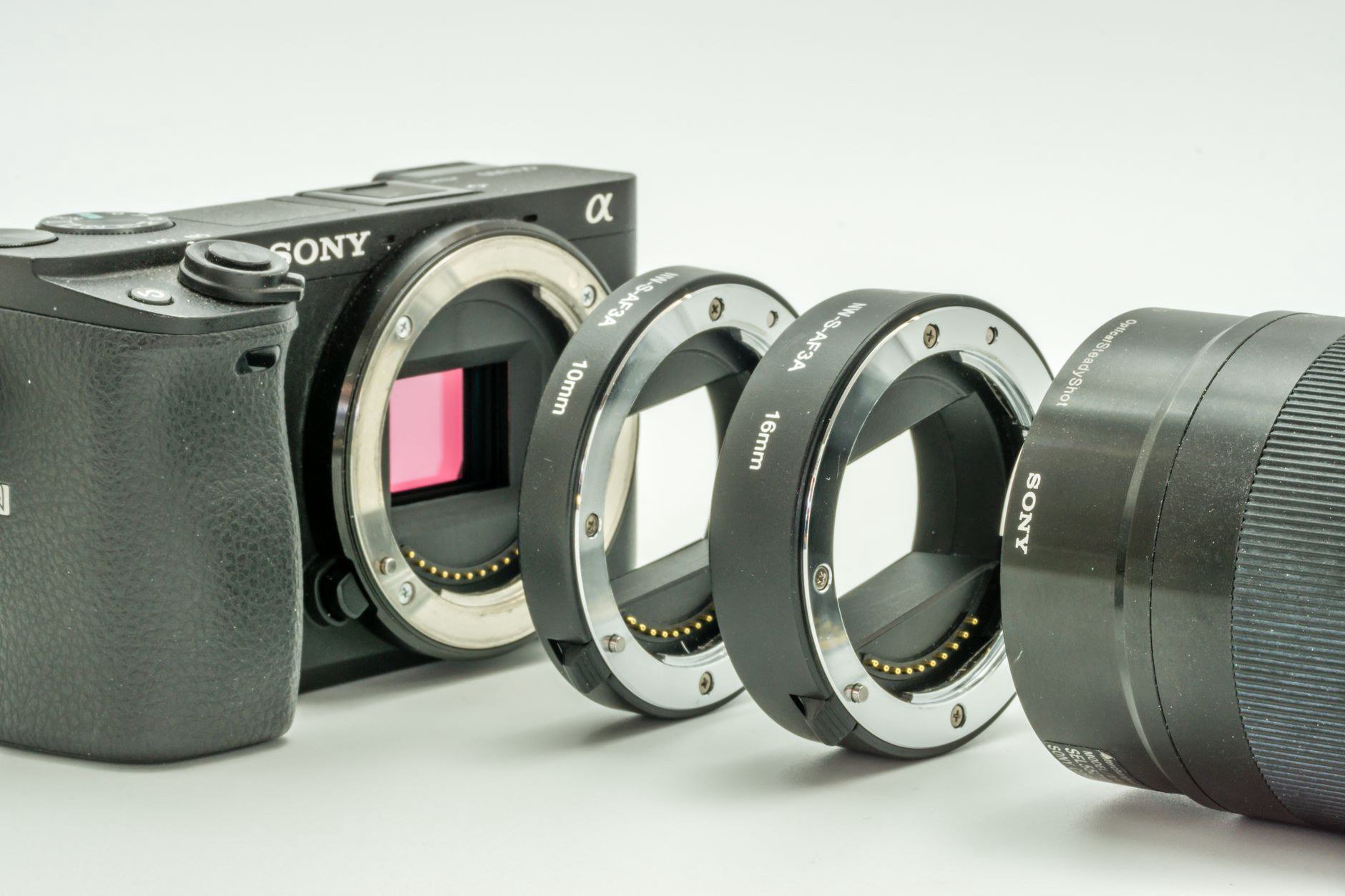
Catalog pages list dozens of specifications, and most of them do not change how your beam behaves. Four do. The first is adjuster pitch, the thread spacing that sets how far the beam moves per turn. The second is temperature stability. Body materials expand at different rates, so a warm room can slowly steer your beam without anyone touching it.
The third is the locking method. Set screws, lock nuts and spring preload each respond differently to vibration and torque. The fourth is the choice between gimbal and kinematic seating. A two-axis pivot gives range, while a kinematic seat gives rigidity. You rarely get both at full strength.
Side-by-side look at common mount types

The table below groups the mounts we see most often. Price bands are rough and depend on the supplier, so treat them as a starting point for a quote.
| Mount type | Adjuster pitch | Typical material | Lock method | Best use | Indicative price |
|---|---|---|---|---|---|
| Standard kinematic | 0.5 mm | Aluminum or stainless steel | Lock nut | General fixed paths, teaching labs | USD 40–120 |
| Precision kinematic | 0.25 mm | Stainless steel, some invar bodies | Set screw plus preload | Long, sensitive paths | USD 150–400 |
| Gimbal | Angular, not linear | Aluminum | Friction or lock screw | Scanning and steering | USD 80–250 |
| Pedestal-style | 0.5 mm | Steel or aluminum | Set screw | Quick, rough positioning | USD 25–70 |
The precision kinematic costs several times more than the standard one. Whether that gap is worth it depends on how much drift you can tolerate.
Adjuster pitch and how fine control changes your alignment time
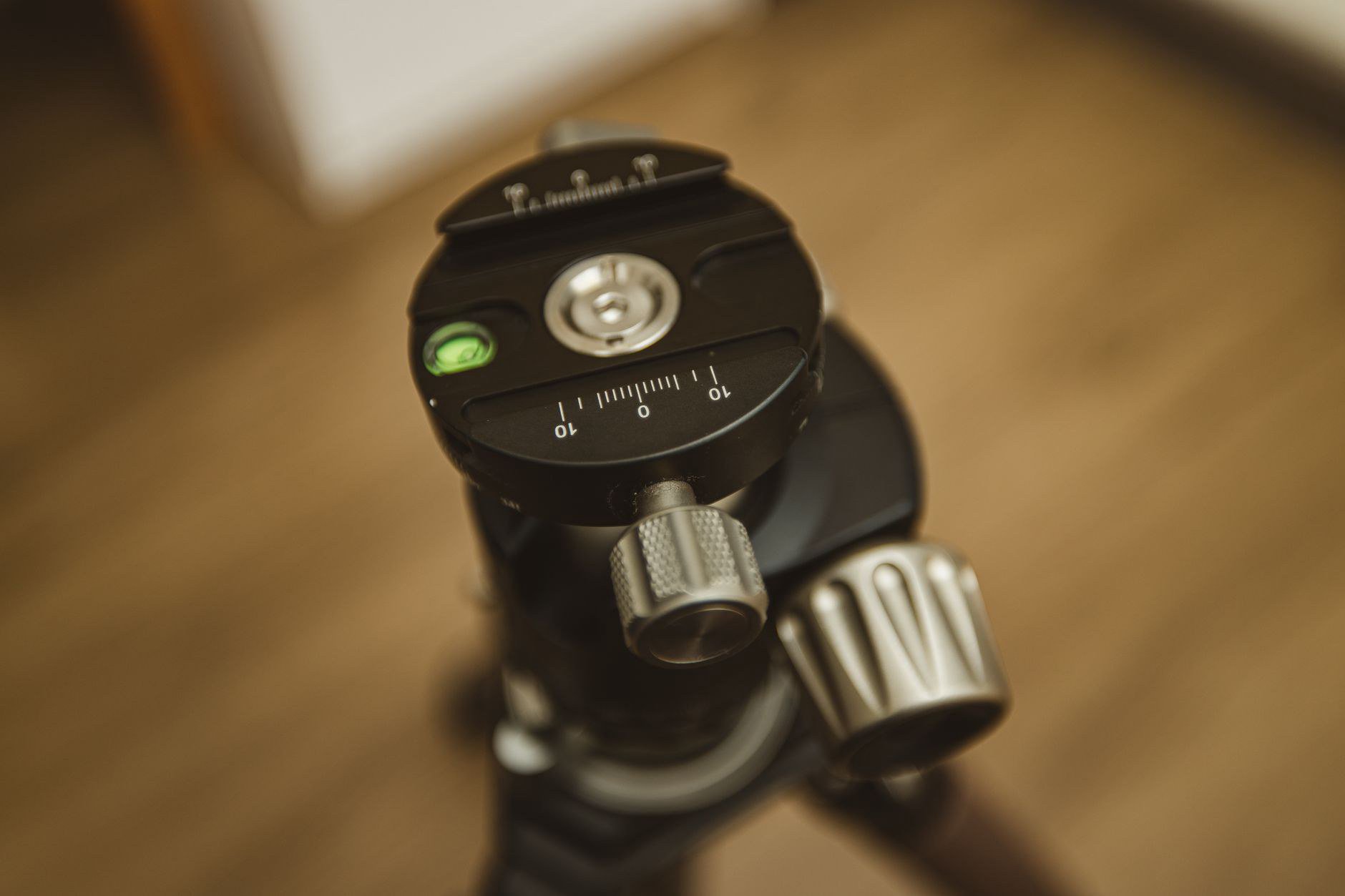
Pitch is roughly the distance the mirror tilts for each full turn of the knob. A 0.5 mm pitch moves the beam quickly, which helps when you are roughing in. A 0.25 mm pitch moves it half as far per turn, which is what you want when chasing the last few microradians.
Consider a case from one of our teaching setups. The team needed to shift a beam by about 1 mrad over a 1 m path, which lands roughly 1 mm off at the target. With a coarse pitch, the student needed several turns, and each one overshot slightly. Switching to a fine pitch meant more turns, but each landed closer to the target. The fine knob removed the back-and-forth that had been eating the afternoon.
Fine pitch is not always worth the money. If your beam only needs to hit a fixed aperture or a detector with wide acceptance, a coarse mount does the job for far less. Buy fine control when the application demands it.
What happens to your kinematic mirror mount after the room warms up
Every material grows and shrinks with temperature, and the rates differ. A steel post, an aluminum mount body and a glass mirror will not move together. When the room warms, the mount can tilt slightly even though nobody touched it.
This shows up clearly in labs where air conditioning cycles through the day. A setup aligned at 9 a.m. may read noticeably different by mid-afternoon. The fix is simple: let the whole assembly settle for 30 to 60 minutes after power-up, then do your final alignment. Invar-based bodies drift far less, which is one reason they cost more.
Locking and preload: keeping the mirror where you set it

Tightening a lock is where many good alignments fail. Set screws bite into the body and can push the mount a few microradians sideways. Lock nuts clamp more evenly but still transfer torque. Spring preload keeps constant pressure on the mirror seat and handles vibration better, though it can feel stiffer to adjust.
Tighten evenly, a little at a time, and check the beam after each step. If one side is tighter than the other, the mount tends to shift toward the side with less clamping force.
When a gimbal mount is the better choice
Gimbals shine when the beam must sweep across a range, such as steering between several targets or scanning a sample. A kinematic mount cannot cover that much angle without becoming awkward. A gimbal can.
The trade-off is repeatability and rigidity. A gimbal has more pivots, and each one adds a little play. For a path you set once and leave alone, that play is a liability. For a path you keep changing, it is the price of flexibility. Several of our projects used a hybrid, with a kinematic base for stability and a gimbal on top for range.
Choosing a kinematic mirror mount for your lab
Start by writing down what the beam must do. How far must it move, how precisely must it return, and how heavy is the optic? Then consider the environment. A long path in a room with vibration from a pump needs a more rigid mount than a short path on a quiet bench.
Budget matters, and in Vietnam you choose between local distributors and direct import. Local sourcing is faster for replacements. You can find related lab hardware through monamail.vn, though the mount’s own specifications should drive the purchase.
If you plan to automate adjustment later, think about that now. Our review of motorized precision alignment stages for laser labs explains how they pair with manual mounts. For the surface itself, our notes on optical tables and vibration isolation explain what to check before you commit.
Common mistakes that undo good alignment
Overtightening the lock screws is the most frequent one. It warps the mount, and the mirror shifts as you back off. Skipping thermal settling is next. Third, people buy fine pitch when coarse adjustment would do.
The last one catches people who should know better: mounting the kinematic base on a flexible post. A thin post bends under its own weight and under clamp torque, and the mount inherits that motion. Keep posts short and rigid, and clamp them close to the base.
Frequently asked questions
Is a kinematic mount always better than a gimbal mount?
No. A kinematic mount is better when the beam path is fixed and must repeat precisely. A gimbal is better when you need wide steering range.
How much does temperature affect a mirror mount in a typical lab?
It depends on the room and the materials, but in air-conditioned labs with cycling we have seen enough drift to matter for sensitive paths. Letting the setup settle for 30 to 60 minutes before final alignment removes most of the surprise.
Can I convert a standard mount to a kinematic one?
Usually not, because the three-point seat is built into the design. You can improve a standard mount with a preload spring or better lock hardware, but a true kinematic mount is a different part.
Do I need to realign after moving the mount to another table?
Almost always. Even a small change in surface, post height or clamp position shifts the beam. Plan on realigning and letting the new setup settle before you trust the result.