How to Become an Optical Engineer: Skills, Degrees and Jobs
Want to know how to become an optical engineer? We walk through the degrees, core skills, internships and first-job steps our team actually recommends.
9 min read


If you’re wondering how to become an optical engineer, here’s what the path actually looks like from inside the lab. Most people need a bachelor’s degree in optics, physics or an engineering discipline, plus real lab or design experience before a company trusts them with a system. From high school to a first professional role, expect roughly four to six years.
Below we go through each stage in order. Optical engineering carries a fair amount of jargon, so we explain the key terms as we go.
How to Become an Optical Engineer: The Short Answer

It helps to think of the career as three layers. The first is education, normally a bachelor’s degree. The second is practical skill: what you can actually do with lenses, lasers and measurement tools. The third is experience, which is usually what gets you hired.
Many people underestimate that last layer until they start sending applications. Most candidates finish a degree in a related field, pick up specialised skills through coursework and projects, then land an internship or an entry-level test role. Skipping one layer tends to show up quickly in interviews.
Which Degree Fits How to Become an Optical Engineer
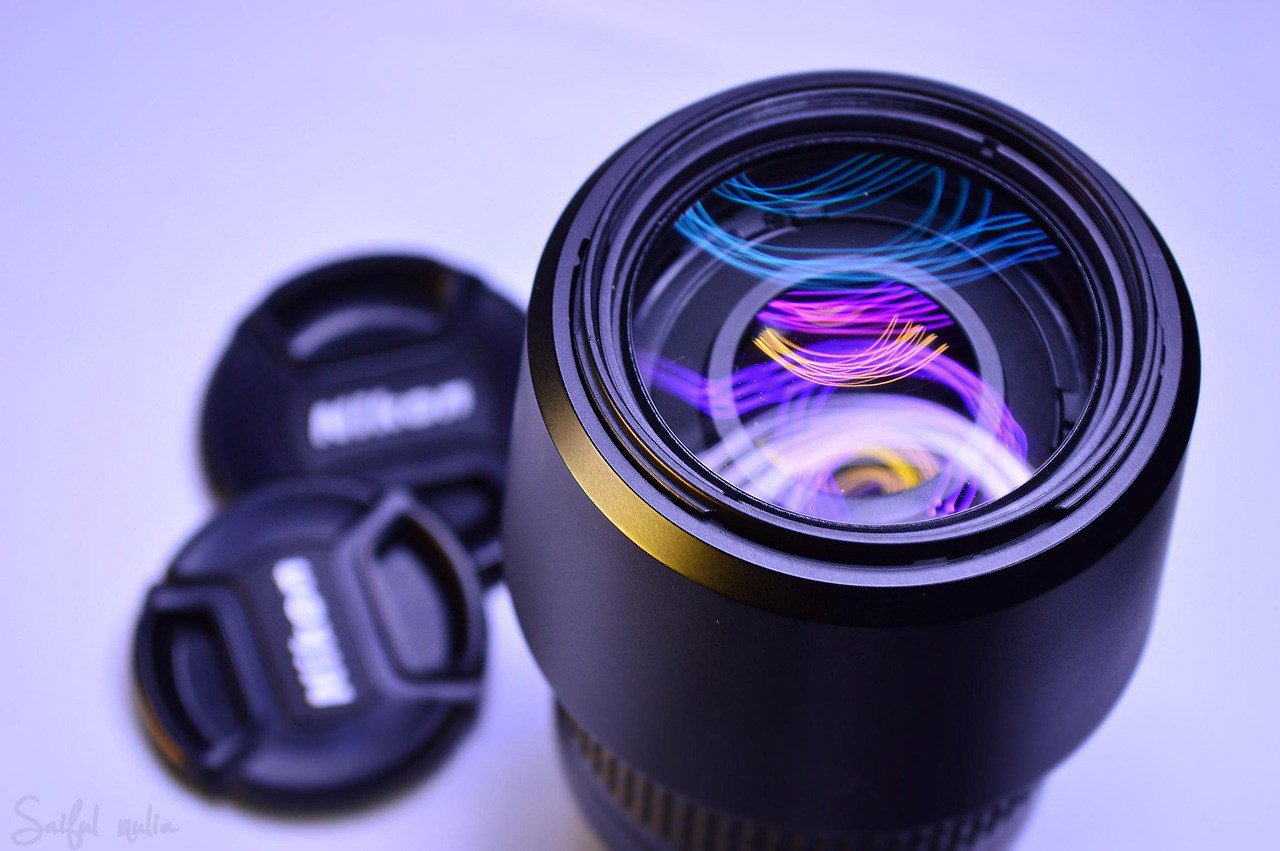
Optical engineering sits between physics and hardware. You design or test systems that bend, focus or measure light. Several degrees can lead there, and the right one depends on the kind of optics work that interests you most.
An optics or photonics degree is the most direct route, but not every university offers one, so check what is available near you. A physics degree with a focus on optics and laboratory work is another strong option, especially if you enjoy experiments. Electrical or mechanical engineering with optics electives also works well if you want to design the housings and electronics around a lens.
When you compare curricula, look at three things. Wave optics explains how light behaves as a wave, which underpins interference and diffraction. Geometrical optics describes how light rays bend through lenses. Lab courses matter most, since a programme with plenty of hands-on time will serve you better than a purely theoretical one.
Core Skills Employers Look For
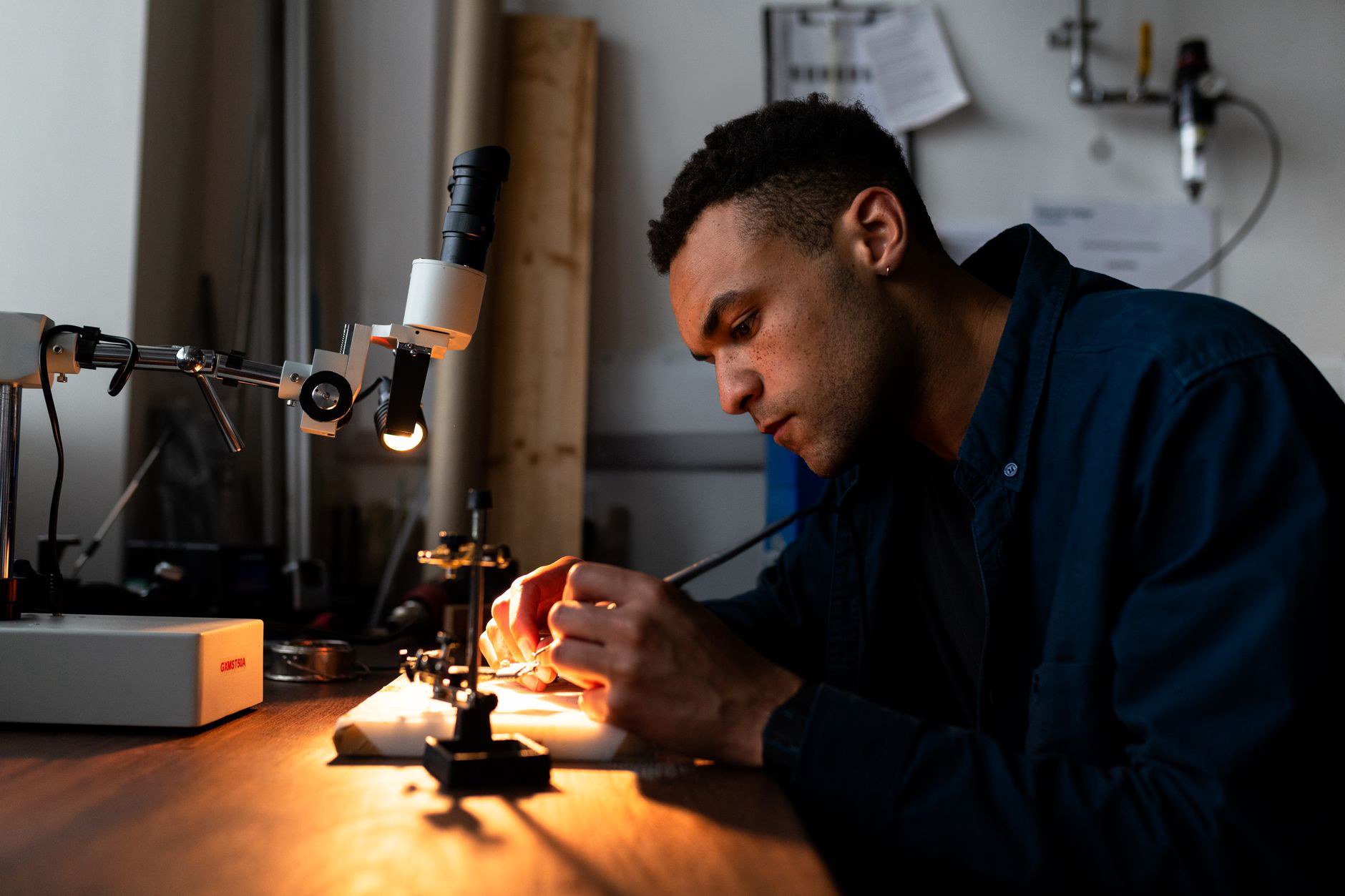
Employers rarely hire on a degree alone. They want evidence that you can use the tools of the trade.
Optical design software comes first. Zemax OpticStudio and Code V are the names you will hear most often. Both simulate how light travels through a lens system so you can test a design before anything is built. Knowing one of them well is worth more than knowing a little of both.
Metrology is the second group, covering how to measure optical surfaces and wavefronts accurately. Interferometry compares a light wave against a reference to reveal tiny surface errors. Wavefront error measurement shows how far a real beam strays from a perfect one. Surface profilometry maps the shape of a surface. You will not master all three on day one, but you should understand what each one reveals.
Opto-mechanics is the third group, and the one people overlook most often. An optical system only performs if its components stay where they are supposed to be. Mounting, alignment and tolerancing keep a lens in position through temperature changes and vibration. A well-designed system can still fail if its mount flexes by a few microns under load.
Basic programming, usually Python or MATLAB, rounds out the list. You will use it to analyse test data and automate repetitive measurements. You do not need to become a software engineer, but comfort with scripting saves hours of manual work.
Building Hands-On Experience While You Study
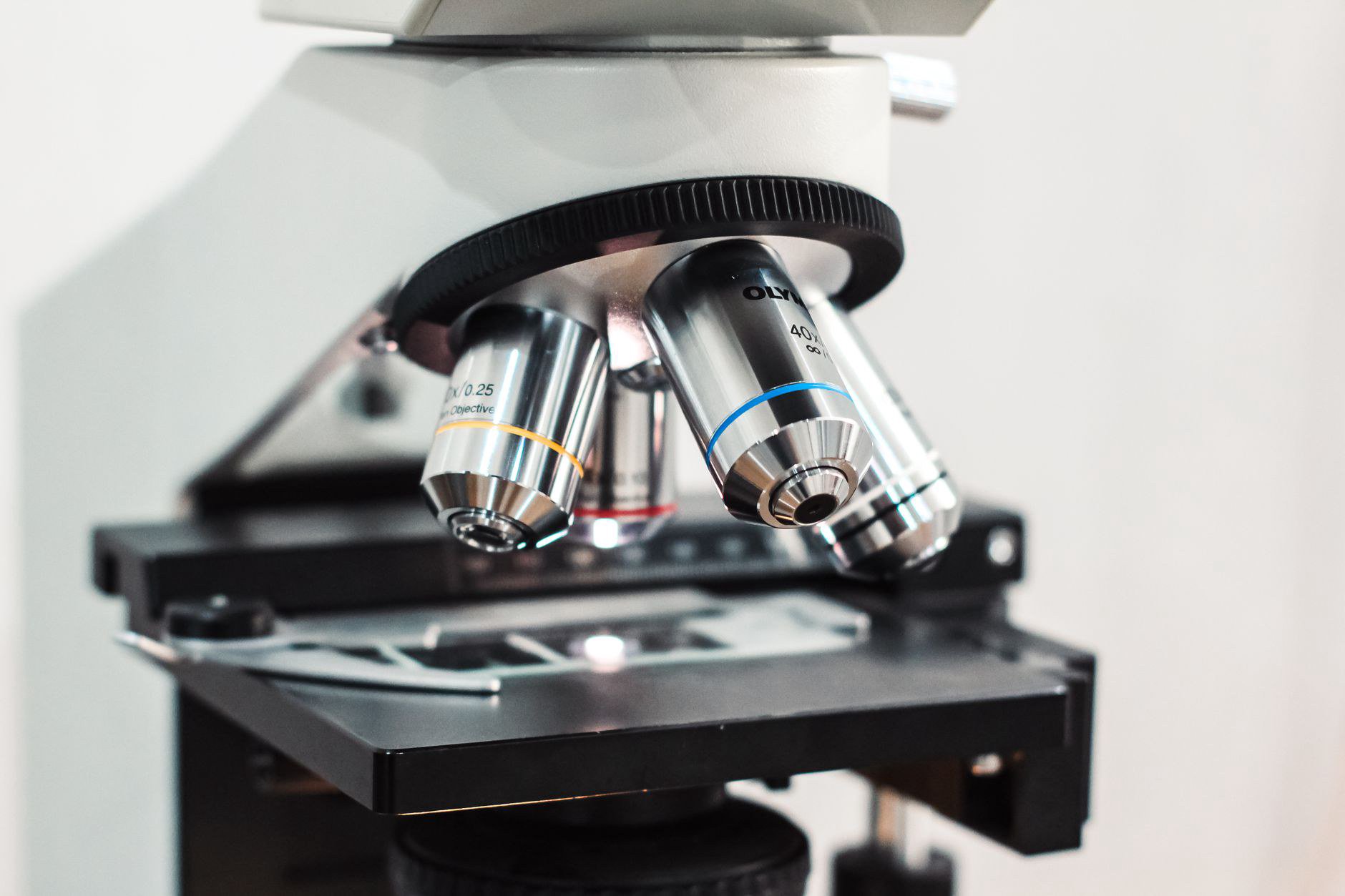
Start building a portfolio before you graduate. University optics labs and project courses are your first real chance to show what you can do. Keep notes, photos and short write-ups for every project. A clear record of a setup you built and tested often impresses interviewers more than a high grade does.
Personal projects are another good route. A simple telescope or a beam-expander setup teaches alignment and focusing without a corporate budget, and gives you concrete examples to discuss in an interview.
Student competitions and optics or photonics societies connect you with people already working in the field, and many offer mentoring. A surprising number of internship leads come through these networks rather than job boards.
Internships and Where Optical Engineers Work

Internships are where theory turns into practice, and they are often the strongest signal you can send a future employer. Apply early, since placements at many optics companies fill months before the job market peaks.
As an intern you will usually do test work: setting up benches, recording measurements and helping engineers check designs against specifications. Watch how experienced engineers troubleshoot, because that habit is harder to learn from a textbook than almost anything else.
Optical engineers work across several sectors. Optics manufacturing is the largest group. Aerospace and defense use optics in satellites and sensors, where reliability requirements are strict. Medical imaging puts optics inside endoscopes and scanners, where precision directly affects diagnosis. Entry-level titles include optical test engineer, design engineer and metrology technician.
Entry-Level Pay and Progression

Pay varies widely by country and employer, so treat any figure as a rough guide. In Vietnam, a fresh graduate in an optics or photonics role usually starts on a modest salary, with stronger offers from multinational manufacturers and firms in semiconductors or precision equipment. In the United States and Europe, starting salaries tend to be higher, though living costs are higher too.
Career growth usually follows a clear sequence. You start as a test or design engineer, move into a lead designer or systems role after several years, and may eventually manage projects or teams. A master’s degree is not required for most jobs, yet it can open doors to specialised design and research positions.
What a Working Week Looks Like
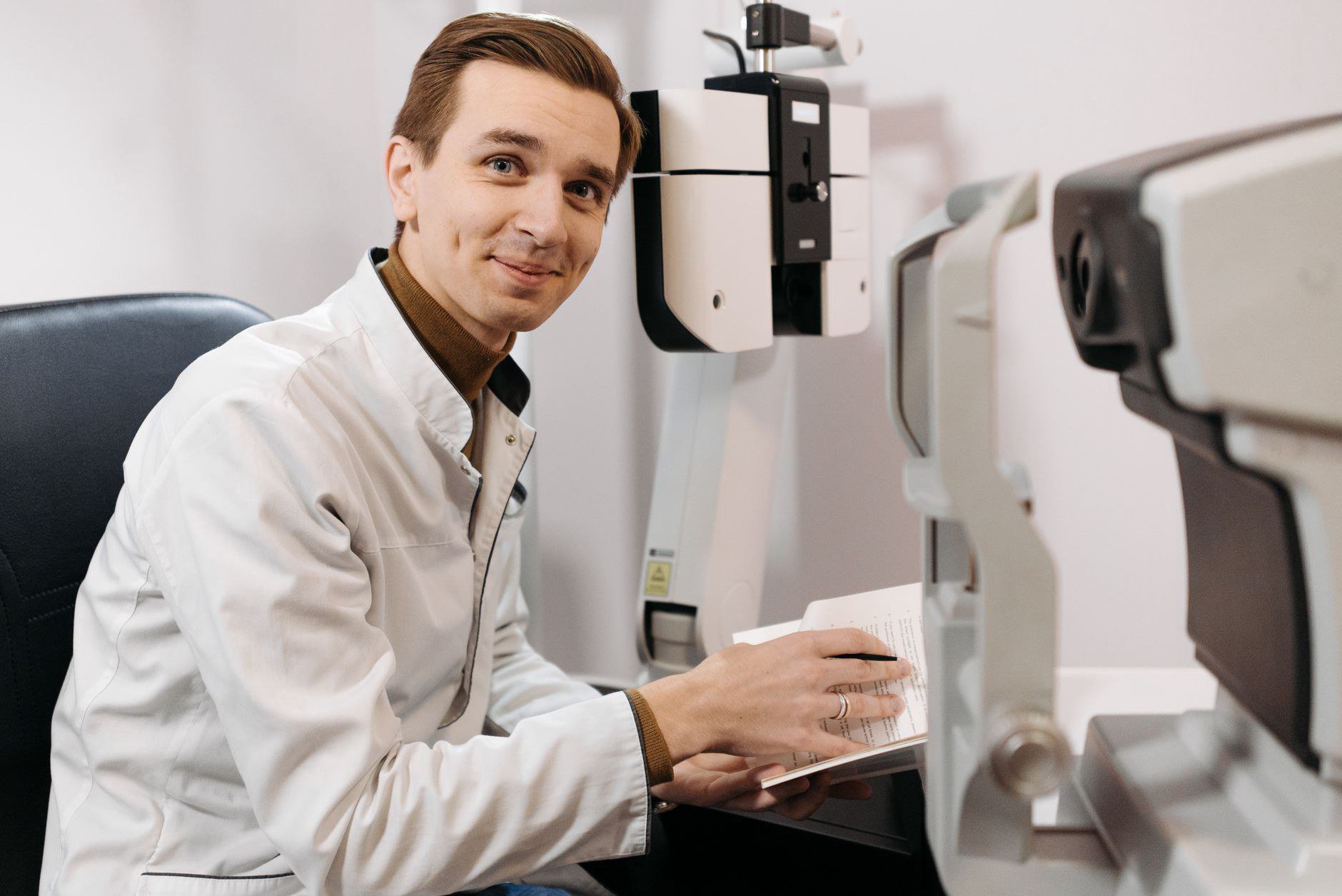
A typical week mixes lab testing, design reviews and time with cleanroom teams. Lab testing means setting up a component, measuring it and comparing the result against the specification. Design reviews are meetings where you defend your choices to the people who will build the system.
Handling sensitive components carefully is a daily habit. Dust, fingerprints and static can ruin a coated surface in seconds. Read our guide to cleanroom protocols for handling precision optical components before your first lab shift. For the environmental side, our piece on environmental controls in optical labs covers vibration, temperature and humidity in more depth.
Optical engineers also work closely with mechanical and software colleagues. Communication matters as much as technical skill, and engineers who advance fastest can explain a problem clearly to someone outside their specialty.
Diffraction-Limited Performance in Everyday Work
Diffraction sets the fundamental limit on how sharp an image can be. Even a perfect lens cannot focus light to an infinitely small point, because light spreads as it passes through an aperture, producing an Airy pattern. A lens that reaches this physical limit is called diffraction-limited.
When you read a specification sheet, look for the stated resolution, the aperture and the design wavelength. A lens that is diffraction-limited at one wavelength may perform poorly at another, so always check the conditions under which the figures were measured. Every design also involves trade-offs between resolution, size and cost. We explore that balance in our article on optical bench data and cinema lens quality, a useful companion read once you start making these decisions yourself.
Common Mistakes Aspiring Optical Engineers Make
The first mistake is focusing only on theory and skipping lab practice. Employers hire people who can align a beam and read a measurement correctly. Spend as much time in the lab as your schedule allows.
The second is ignoring the mechanical and thermal side. A design that works on screen can drift once temperature changes or vibration enter the picture. Learn the basics of mounting and thermal expansion early.
The third is applying for internships too late. Start applications a few months before you think you need to, and keep a running list of companies to contact so nothing slips past you during exam season.
Frequently Asked Questions
Can I become an optical engineer with a physics degree?
Yes, and many optical engineers do exactly that. Add optics electives or lab projects, learn optical design software and build a portfolio of hands-on work that shows you can apply the theory.
Do I need a master’s degree to work in optics?
Not always. Many entry-level test and design roles accept a bachelor’s degree plus relevant lab experience. A master’s becomes more useful for specialised design work, research positions or faster progression into senior roles.
Which software should I learn first?
Start with Zemax OpticStudio for broad use across industries. Code V is worth learning if you are aiming at high-precision or industrial roles. Pair either one with basic Python for data work.
Are there optical engineering jobs in Vietnam?
Yes. Opportunities exist at optics and electronics manufacturers, precision equipment firms and multinational companies with local facilities. Networking through universities and professional societies helps a great deal.
How long does it take to land a first optics job?
For most people it takes roughly four to six years from high school, counting the degree and early internships. Planning your finances during those years is worth doing early too, and you can find practical money-management tips at xem thêm.